
A Miyazaki Original
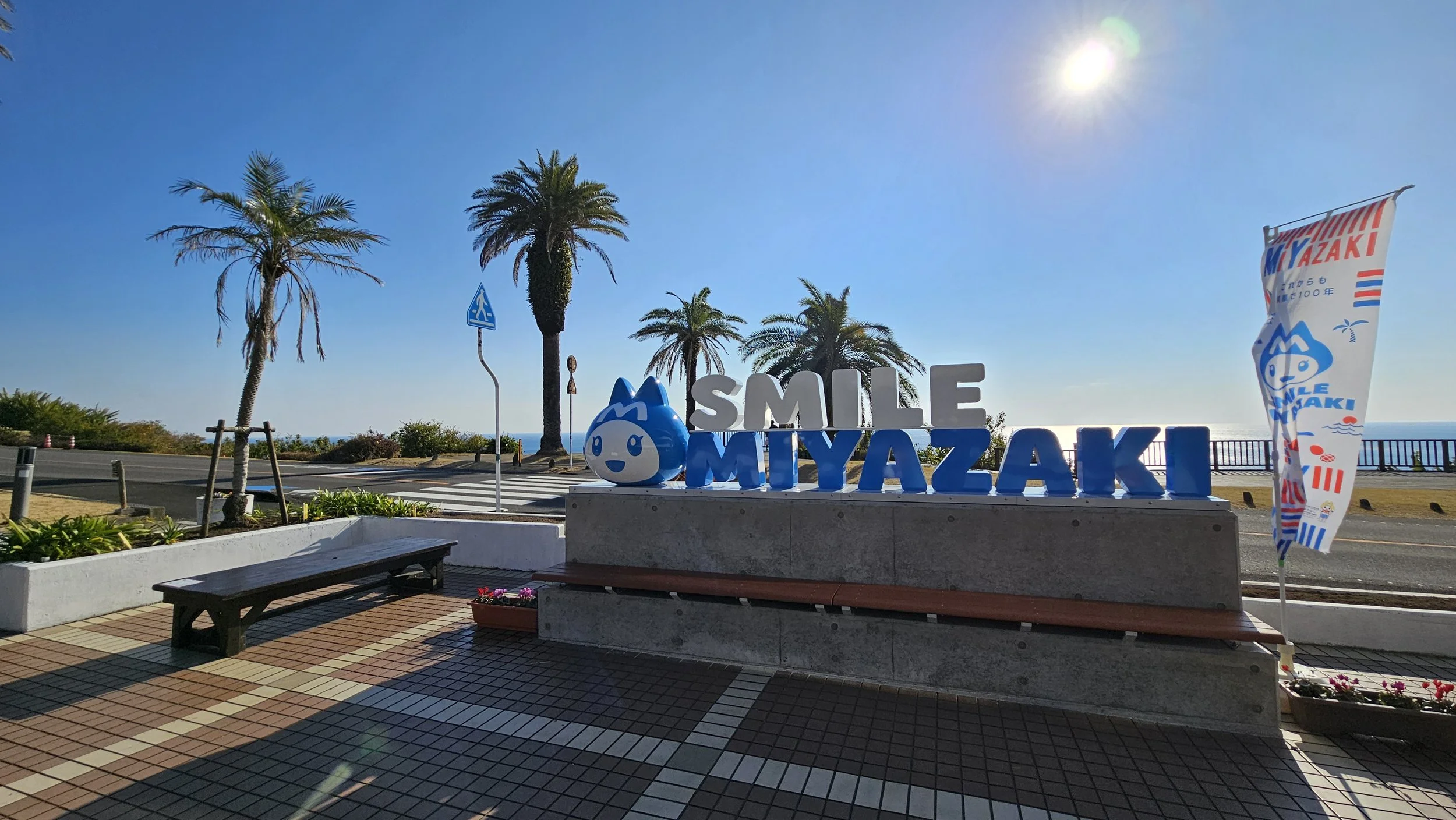
On the southeast edge of the Japanese island of Kyushu, the Miyazaki Prefecture spans from mountains steeped in mythology to subtropical shores punctuated by surreal seascapes. Originally known as Hyūga (日向国, “the country that greets the sun”), Miyazaki’s Mt. Takachihonomine is said to be where Japan’s imperial lineage began while Takachiho Gorge is where the sun goddess Amaterasu hid and, in doing so, plunged the world into darkness until the other gods lured her out with music and laughter, at least according to the 8th century Kojiki ("Records of Ancient Matters").
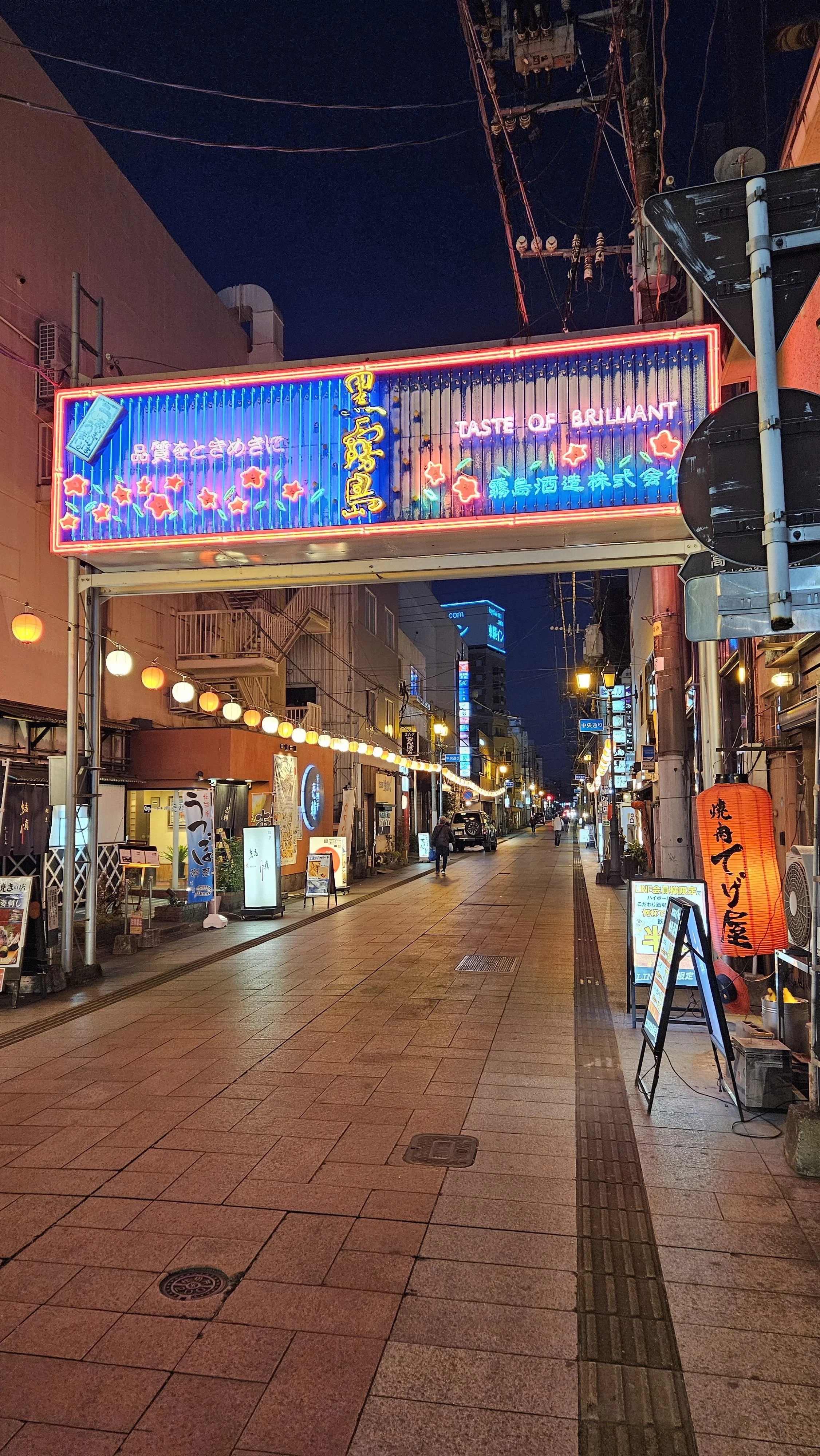
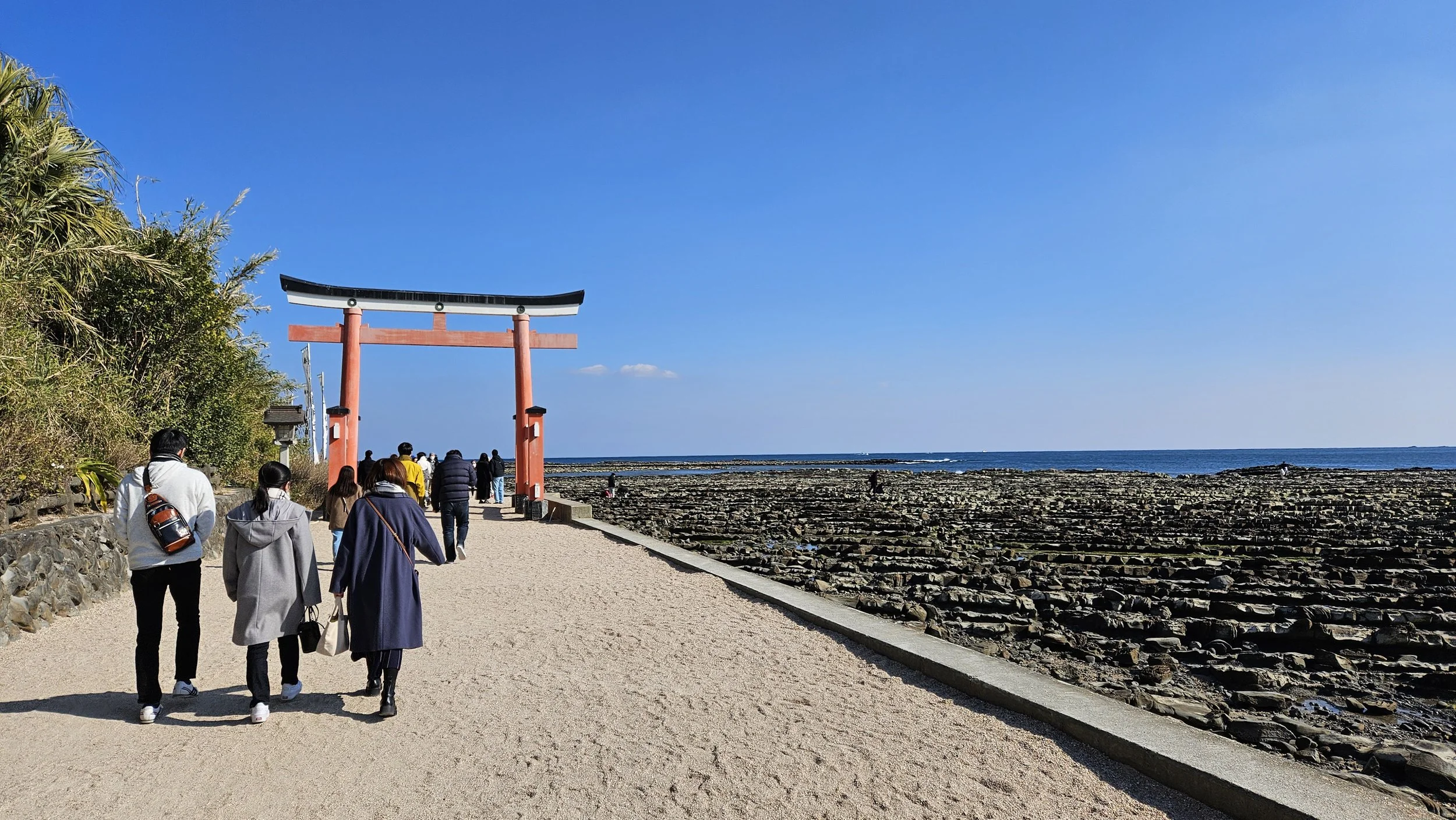
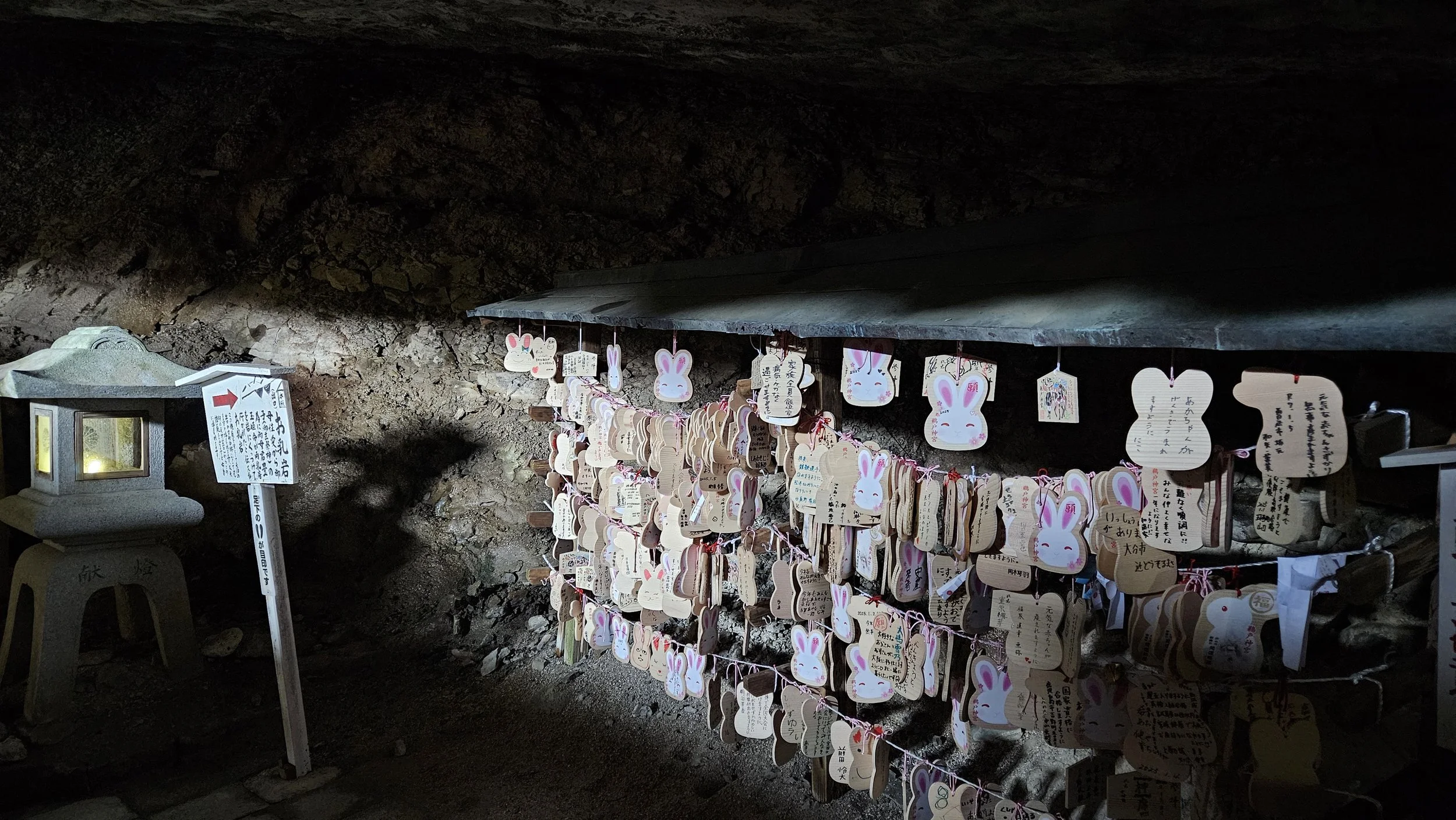

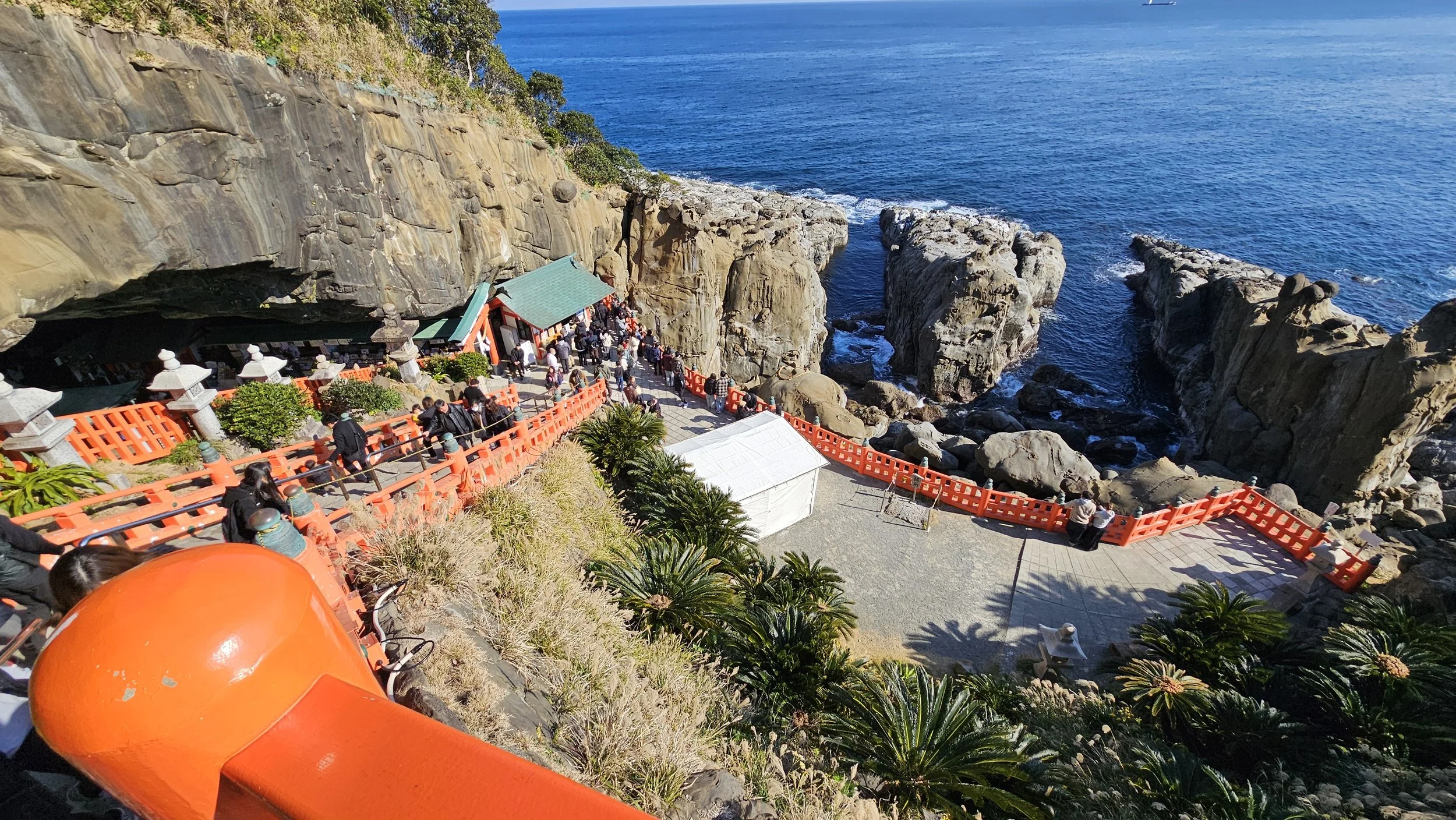
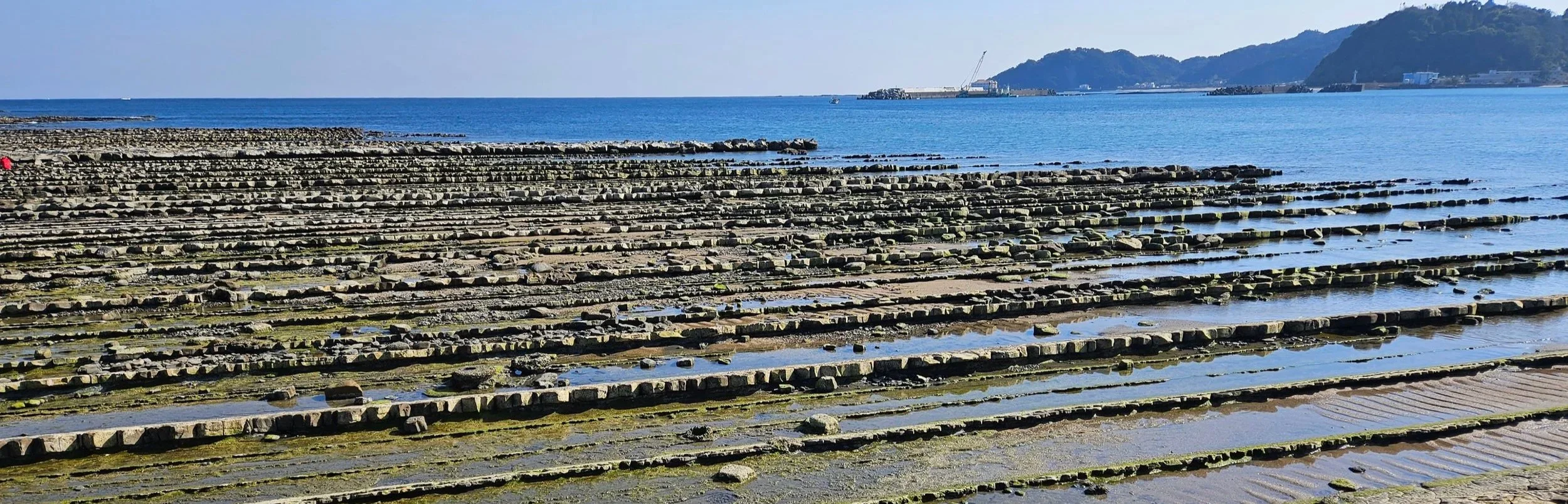
Modern Miyazaki embraces its spiritual history with landmarks like the Udo Shrine — built into the side of a cliff — and Aoshima Island, which is flanked by a unique geological formation eons in the making known as Oni no Sentakuita (鬼の洗濯板), “the devil’s washboard.”

Miyazaki rewards those who make the journey with outdoor adventures, great food (try the chicken!), arts, festivals, hot springs, traditional spirits, amazing scenery, and much more, but too often it goes overlooked on Japanese travel itineraries. Tired of her adopted hometown not getting the attention it deserved, Kihara Natsuko set out to create a distinct food representative of the region. Working from her home kitchen with her then-toddler as the official taste-tester, Kihara began playing with recipes based off a sweet potato dish she had at an izakaya.
In 2014, with two employees and rented space in a local food production facility, Kihara launched Caraimo in Japan. It wasn’t long before the snacks drew the attention of Japan’s biggest airline, ANA, where it quickly became the most popular product for in-flight sales. Then came more flavors and her own factory where production ends in the mid-afternoon so its staff—comprised almost entirely of women from the surrounding neighborhood—can be home in time to greet their kids after school.
Known as Crunchimo in North America, we’re excited to introduce you to Kihara’s wholesome, one-of-a-kind Miyazaki treat!